


Table of Contents

Helion Thermal Scope Guide From Pulsar
The Thermal Scopes are equipped with advanced technology that will help you hit your target. They take into account factors like wind speed, multiple-weapon profiles, angle to the target, and temperature and humidity. These calculators can perform calculations in seconds. They also help you calculate distances and velocities in different scenarios. Helion Thermal Scope Guide From Pulsar.
How to Choose a Thermal Scope
In order to make sure you are getting the right thermal scope for your needs, you need to take a look at the different features and specifications. These include magnification, resolution, and battery life. It is important to consider the environment in which you intend to use the scope. The image quality may be affected by extreme cold. This is why you should choose a thermal scope that can withstand these conditions. Helion Thermal Scope Guide From Pulsar.

Many thermal scopes can be a useful tool because of their many features. Some thermal scopes can be removed from the rifle. These scopes are useful for patrolling and hunting. Some models have a range of up to 300 yards, which is great for keeping the property safe from hogs and varmints.
Thermal scopes are not inexpensive. Before you buy one, make sure you know what you can afford. There are many different types of thermal scopes, so knowing what features you want is crucial.
Pulsar Thermal Scope
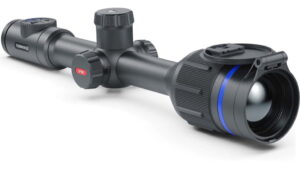
The Pulsar Thermal Scope has many features that make it an excellent choice for anyone who needs to see thermal information in the most accurate and reliable way. Its AMOLED display boasts a resolution of 1024 x 768 pixels, and it offers an 8x digital zoom with stepped zoom functionality. This thermal imaging scope is water-resistant and uses a Li-Ion battery pack.
The Thermion XG50 is the latest and greatest Pulsar Thermal Scope. This new model has been awarded the Optic of the Year Award by American Rifleman and the Golden Bullseye Award. With state-of-the-art technology, this scope provides unsurpassed target clarity and a thermal detection range of up to 2,400 yards. Helion Thermal Scope Guide From Pulsar.
Edge detection reduces night blindness by only showing the targets edges. This feature also allows you to view your target for longer periods of time without eye fatigue. The Thermion thermal scope has an excellent internal video recording system. These videos can be transferred directly to your computer for further viewing.
If you’re new to thermal optics, the Pulsar Thermion is ideal for you. The objective lens can be adjusted and the interface is simple to use. The thermal scope also includes a Quick Start Guide that will help you understand the basics of the thermal scope.
ATN Thermal Scope

The ATN Thermal Scope is a combination of durability and performance. It comes with a waterproof design and can operate in temperatures ranging from -20 degrees F to 120 degrees F. You can use it with any rifle, including AR-15s and shotguns. It is compatible with both Picatinny and Weaver style rails.
Even for beginners, the ATN Thermal Scope can be used easily. It comes with a built-in ballistics calculator, which you can program for various rifles and ammunition calibers. It displays information like rifle type, bullet weight and initial velocity. A programmable Mil Dot Reticle is also available. This uses the formula 1mm = 10cm @ 100m to calculate the bullet trajectory.
Its affordability is another benefit. An ATN Thermal Scope can be purchased for under $300, which is a considerable savings. The scope is smaller and lighter than regular scopes. You can use it for longer periods of time without feeling fatigued.
Trijicon Thermal Scope
The Trijicon Thermal Scope helps hunters find targets in dark environments and brush. It reveals hidden heat signatures. OpticsPlanet sells the Trijicon thermal scope. OpticsPlanet offers customer service and expert advice to help you choose the right thermal scope. Spend $49 to get free shipping These are the top features of the Trijicon Thermal Scope. Helion Thermal Scope Guide From Pulsar.
First, you need to check the refresh rate of a thermal scope. This measure of the number of image updates per second is important for clear, crisp images. If possible, choose a scope with a 60 hertz refresh rate to get peak performance. Battery life will be extended if the refresh rate is lower.
A thermal scope is an excellent tool for hog hunting. The scope’s large field of vision allows you to see targets up to 400 feet away. It’s also easy to use. It can be used to hunt coyotes which have been known to decimate agricultural fields. This means that you can take out dozens of these pests with ease.
OpticsPlanet Thermal Scope
The thermal scopes can be used to track the environment. These instruments can be detached from your rifle and are perfect for hunting and patrolling. They have a range of approximately 300 yards and are ideal for property protection. You can use them to keep your ranch and livestock free of varmints and hogs.
The thermal scopes can also be used for self-defense. These scopes are great hunting tools and can be used in low-light conditions to spot nocturnal animals. For example, you can use a thermal scope to detect hogs hiding in brush and fog. You can also use one for self-defense if you suspect an intruder has broken into your home.
When choosing a thermal scope, one important factor to consider is the refresh rate. A higher refresh rate means that the image is refreshed more often. That means that you get a more accurate image, which is important if your target moves. While most thermal scopes can refresh at 60 Hz, some have higher refresh rates. Helion Thermal Scope Guide From Pulsar.
The cost of a thermal scope can vary depending on its use. A high-quality thermal scope should cost at least $2,000 if you’re considering buying one. There are few thermal scopes under $1,000, so spending the extra money is worth it.
Night Vision vs Thermal Scope
While both thermal imaging and night vision are high-tech devices that are rapidly improving in capabilities, there are some differences between them. To maximize your viewing capabilities and avoid dangerous situations, it is crucial to select the best scope for you. Whether you’re hunting or protecting your property, it’s important to choose the right device for your needs.
The thermal core is one of the most critical components in thermal imaging. The core detects heat from objects and produces a higher-quality image. The sensitivity of the thermal core is measured in millikelvins, and most modern thermal scopes have a sensitivity of 50 millikelvins or more.
Night vision devices and thermal imaging use different methods to produce images. Thermal imaging uses infrared light instead of visible light. It can produce a clearer image in complete darkness compared to night vision. Thermal imaging scopes can also be used in bright light conditions, but the risk is the device’s image intensifier tubes may be damaged. Helion Thermal Scope Guide From Pulsar.
Thermal imaging is also affected by the refresh rates. Low refresh rates create lag in the image. This can add up to a significant amount of time while hunting. Thermal imaging scopes are also capable of functioning during the day. In the real world, thermal vision optics aren’t nearly as good as night vision, but they can detect people and animals from several hundred yards away.
Summary
If you’re looking for the best thermal scope, then there are several models to choose from. Some are built to be used in the military while others are designed for home use. It is important to select one that can withstand extreme temperatures and water. Thermal scopes can also be useful for property protection. Thermal imaging can be useful if you live on a ranch to protect your property from varmints or hogs.
The thermal scopes offer many advantages over other night vision devices. Because they do not require light to function, they can work in darker settings than night vision devices. They can also detect heat and display an orange color. Night vision devices, on the other hand, usually output a green-tinted picture.
The resolution of a thermal scope should be one of the most important characteristics to look out for. A thermal scope that is accurate should be capable of detecting targets at over 1,000 yards. This is an important feature for hunters who hunt in close quarters. This will give them an excellent field of view and allow them to identify their target. However, if you’re only interested in using your thermal scope for hunting, you may want to consider one that has a lower detection range, such as a one that can detect a small animal. Helion Thermal Scope Guide From Pulsar.
